1. The Core Announcement & Facts
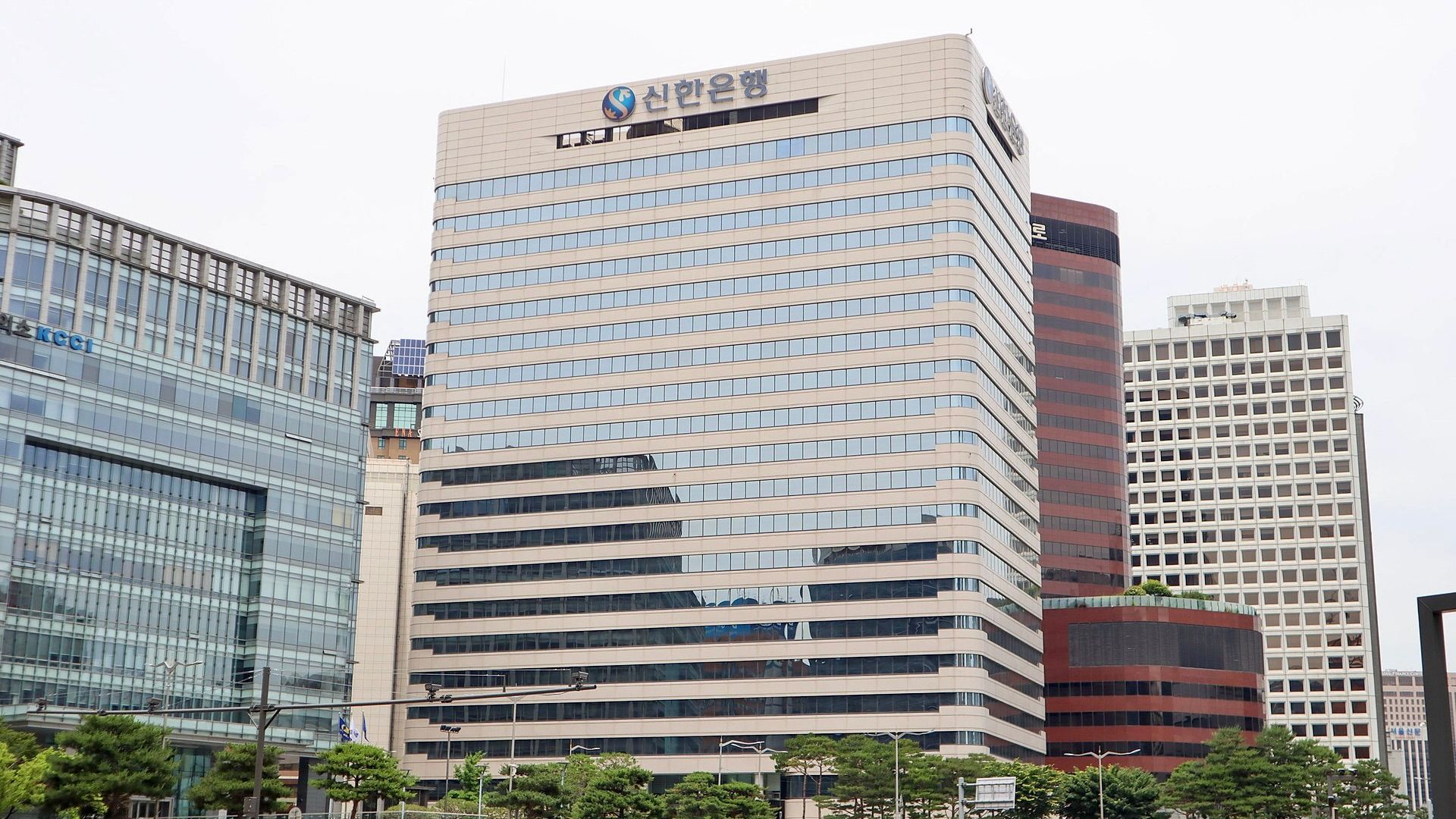
In a landmark development for digital asset adoption in Asia, South Korea’s leading financial conglomerate, Shinhan Financial, has officially joined forces with global payments titan Visa. Announced via wire reports, the collaboration is designed to test and deploy robust stablecoin issuance mechanisms alongside next-generation business-to-business (B2B) settlement operations. By marrying Shinhan's vast retail and commercial banking footprint with Visa's unparalleled global merchant and network reach, the partnership aims to overhaul the structural inefficiencies currently plaguing legacy cross-border financial pipelines.
The pilot programs will evaluate how regulated digital assets can operate smoothly within existing regulatory perimeters, offering a blueprint for mainstream financial institutions seeking to capture value from distributed ledger technology without compromising on compliance, anti-money laundering (AML), or Know Your Customer (KYC) mandates.
2. Market & Industry Impact
From a macroeconomic perspective, this alliance underscores the accelerating institutionalization of stablecoins as vital components of global liquidity management. Traditional B2B settlements are notoriously bogged down by multi-day clearing times, correspondent banking fees, and high foreign exchange spreads. By introducing programmable stablecoin infrastructure, enterprises stand to drastically compress operational working capital requirements and eliminate unnecessary intermediary costs.
For enterprise software providers and financial infrastructure vendors, this signals a major shift toward tokenized multi-currency ledgers. Traditional financial institutions that fail to integrate modular, blockchain-compatible settlement layers risk losing market share to agile fintech disruptors, making enterprise partnerships like the one between Shinhan and Visa an essential survival mechanism in modern banking.
3. Technical Analysis & Architecture
Technically, building institutional-grade stablecoin infrastructure demands a delicate balance of high-throughput consensus mechanisms and enterprise-grade privacy controls. The integration between Shinhan Financial and Visa relies on robust APIs capable of interfacing traditional core banking systems with distributed ledgers. This architecture ensures real-time transaction finality, cryptographic verification of reserves, and secure smart contract execution for automated B2B escrow and payout operations.
Furthermore, the system leverages tokenization standards that support interoperability across multiple blockchain networks, ensuring that corporate clients can execute settlements seamlessly regardless of the underlying ledger topology. Security protocols incorporate hardware security modules (HSMs) and multi-party computation (MPC) to safeguard private keys and mitigate systemic operational risks.